Our Services

Home Inspection Services

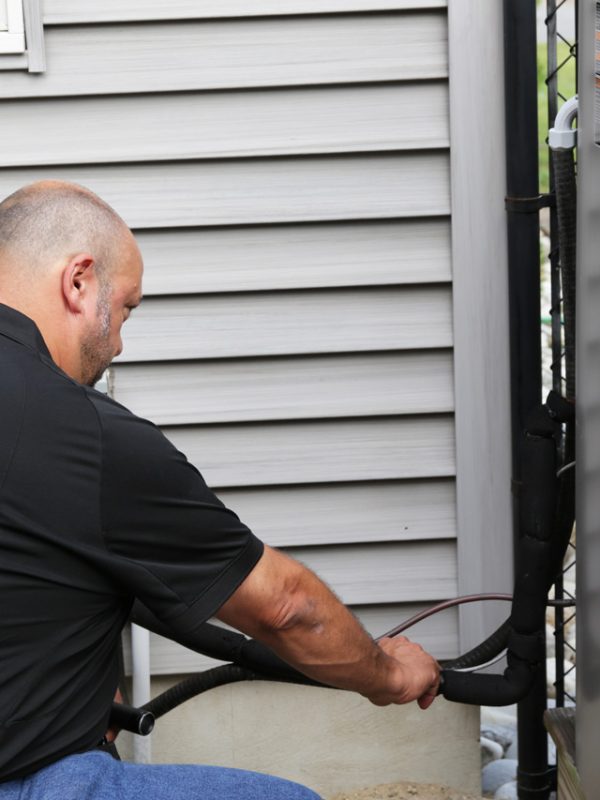
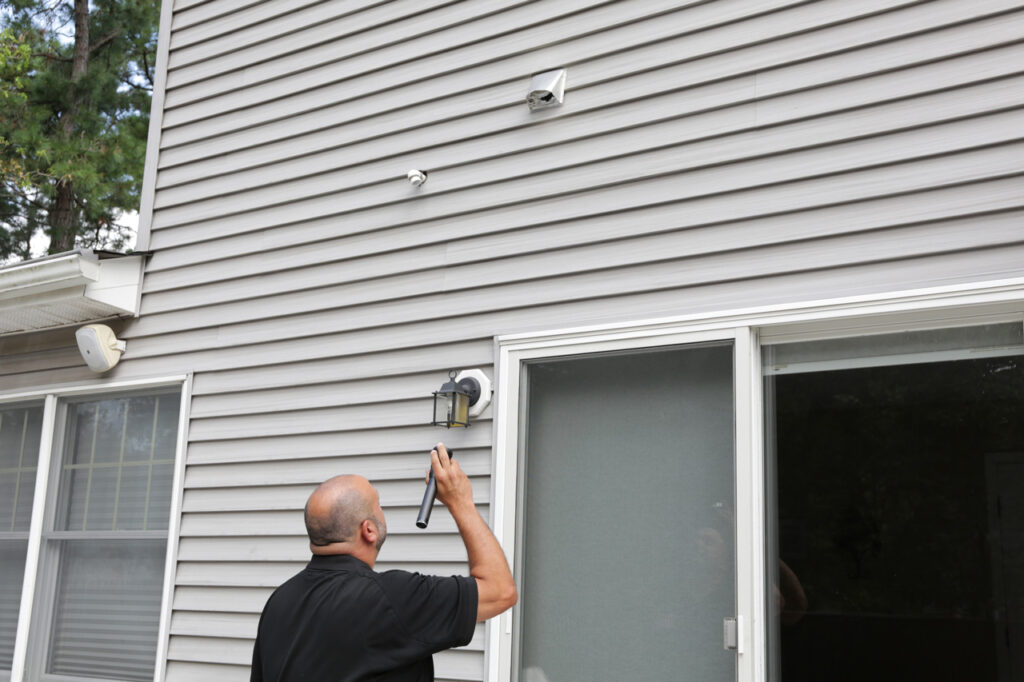
Home Inspectors should present the customer with a clearly written, typed or printed home inspection report, which must conform to the accepted standards of practice for the state the inspection is performed in. A detailed inspection usually takes two to three hours or longer, depending on the home’s age and square footage.

We recommend that you be present at your home inspection so that you can ask your inspector any questions and to look at any areas needing maintenance or repair.

What Is A Pre-Listing Inspection?

Pre-Listing Inspections provides the current homeowner with the needed information to correct any deficiencies BEFORE listing the home for sale. This process provides a streamlined and more confident situation for the seller and buyer at time of sale. We offer modified inspections if you have a certain area in your home you need inspected, or have lived in your home for quite some time and you are uncertain if everything is in good working order. During a Pre-Listing inspection, we still perform the same full structural/mechanical home inspection.

What Is A New Construction Inspection?

New construction inspections are performed at the completion of construction, but prior to your final walk through with the Builder’s Customer Service Representative or Superintendent. It is always a good idea to verify that utilities (gas, water, and electric) have been turned on, so that all mechanical components in the home can be inspected, as well as the structural components. The inspection should be scheduled just a day or two before your final walk through with the builder. This will ensure that most, if not all, last minute items have been completed prior to your inspection. At the same time, this will also give the builder a cushion of time before your closing to address any needed repairs discovered during the home inspection.

What Is An End-of-Warranty Inspection?

End-of-Warranty inspections are usually performed during the 11th month of your 1-year Builder Warranty. The home inspection will be performed to verify that all structural and mechanical components are functioning as intended so you will not have to make these repairs later when you go to sell the property. It is well worth having a home inspection done while the builder is paying for the repairs!

Understanding Your New Home

Understanding how your home functions is important to keep you and your family happy but more importantly healthy and safe. Using building materials, while repairing or renovating your home, select materials that do not contain harmful chemicals or will deteriorate and become airborne. Also keep in mind the age of your home and the building materials used when your home was constructed may contain asbestos, lead or other harmful compounds. Check out the files below for more information.

Frequently Asked Questions

A standard home inspection covers the roof, attic, exterior siding and trim, foundation, basement or crawlspace, electrical system, plumbing, HVAC, insulation, ventilation, windows, doors, floors, walls, ceilings, and built-in appliances. We follow NJ Standards of Practice for a comprehensive evaluation.
Radon is a colorless, odorless radioactive gas that seeps up through the soil and into homes through cracks in foundations. It’s the second leading cause of lung cancer in the US. The EPA recommends testing all homes below the third floor. Our professional radon test takes 48 hours and provides accurate results.
A pre-listing inspection is performed before you put your home on the market. It identifies issues that might come up during a buyer’s inspection, giving you the chance to make repairs or adjust your asking price. This can speed up the sale process and prevent surprises during negotiations.
A new construction inspection should be done after construction is complete but before your final walkthrough with the builder. Even new homes can have defects—studies show that new construction homes average 100+ code violations. Having an independent inspector catch these issues protects your investment.
An end-of-warranty (11th month) inspection is performed during the 11th month of your new home builder’s warranty period. This inspection identifies any defects or issues that developed after construction, allowing you to submit warranty claims before the coverage expires. It’s a smart way to protect your investment.
Make sure the inspector has access to all areas of the home including the attic, basement, electrical panel, and HVAC system. Turn on all utilities. Clear any clutter blocking access to these areas. If possible, move vehicles out of the garage so the inspector can examine the garage floor and walls.

Frequently Asked Questions

A standard home inspection covers the roof, attic, exterior siding and trim, foundation, basement or crawlspace, electrical system, plumbing, HVAC, insulation, ventilation, windows, doors, floors, walls, ceilings, and built-in appliances. We follow NJ Standards of Practice for a comprehensive evaluation.

Radon is a colorless, odorless radioactive gas that seeps up through the soil and into homes through cracks in foundations. It is the second leading cause of lung cancer in the US. The EPA recommends testing all homes below the third floor. Our professional radon test takes 48 hours and provides accurate results.

A pre-listing inspection is performed before you put your home on the market. It identifies issues that might come up during a buyer\'s inspection, giving you the chance to make repairs or adjust your asking price. This can speed up the sale process and prevent surprises during negotiations.

A new construction inspection should be done after construction is complete but before your final walkthrough with the builder. Even new homes can have defects. Having an independent inspector catch these issues protects your investment.

An end-of-warranty (11th month) inspection is performed during the 11th month of your new home builder\'s warranty period. This inspection identifies any defects or issues that developed after construction, allowing you to submit warranty claims before the coverage expires.

Make sure the inspector has access to all areas of the home including the attic, basement, electrical panel, and HVAC system. Turn on all utilities. Clear any clutter blocking access to these areas. If possible, move vehicles out of the garage so the inspector can examine the garage floor and walls.